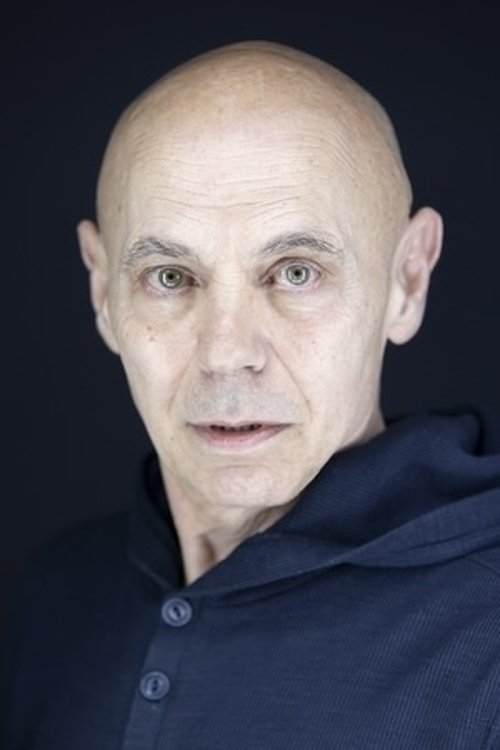
Person
Lewis Furey
Sound
- Known for
- Sound
- Born
- Jun 7, 1949
- From
- Montreal, Quebec, Canada
Lewis Furey, born Lewis Greenblatt (born 7 June 1949) is a Canadian composer, singer, violinist, pianist, actor and director. Born in Montreal, Quebec to French and American parents, Furey trained as a classical violinist, and at age 11 performed as a soloist in the Matinées pour la jeunesse concert series of the Montreal Symphony Orchestra. From 1961 to 1965 he studied at the Conservatoire de musique du Québec à Montréal. He later studied at the Juilliard School in New York City. In 1972, he began playing and recording his own rock music compositions. In the ensuing years, he produced three albums of pop music: Lewis Furey (1975, A & M 4522), The Humours of Lewis Furey (1976, A & M 4594) and The Sky is Falling (1979, Aquarius AQR-521). Distinguishing features of the albums were Furey's Lou Reed-like vocal stylings, a number of songs with gay content (particularly the local Montréal radio hit Hustler's Tango), and exotic arrangements featuring unusual uses of violin and banjo as well as elements of klezmer music. In 1975, he began a new venture as a composer for films. His first film score, for director Gilles Carle's La Tête de Normande St. Onge (1975), won a Canadian Film Award. In 1977, he worked on the Gilles Carle film L'Ange et la femme along with his future wife, the actress and singer Carole Laure. This project involved more than composing alone; Furey and Laure are famously seen performing a sex act in the film. Furey also composed for the Allan Moyle film The Rubber Gun, which despite the risqué-sounding title was about families affected by drug use. Later in the 1970s, Furey and Laure produced a number of successful stage reviews in Paris. Furey also served as producer and frequently also as songwriter for a series of albums by Carole Laure, beginning with Alibis (1979, RCA KKL-1-0290), a hit in Québec in 1979. In 1980, Furey wrote the music for another Gilles Carle film Fantastica, which starred Laure in the lead role of Lorca. Furey also acted in the film and was nominated for a Genie Award in Canada for "Best Performance by an Actor in a Leading Role." Furey further developed his career in film and television music with productions such as a 1983 Gilles Carle movie, Maria Chapdelaine, based on the classic Québec-based Louis Hémon novel of the same name. His score for this film won a Genie Award. In 1984 he wrote the screenplay for Night Magic, with the script co-written by Leonard Cohen. Based in France since the late 1970s, Furey has continued to score film and television work as well as producing and writing for successful albums by Laure, such as She Says Move On (1991) and Sentiments naturels (1997). A stage production based on the latter ran for over a month in Paris in 1998. ... Source: Article "Lewis Furey" from Wikipedia in English, licensed under CC-BY-SA 3.0.
Images
Credits
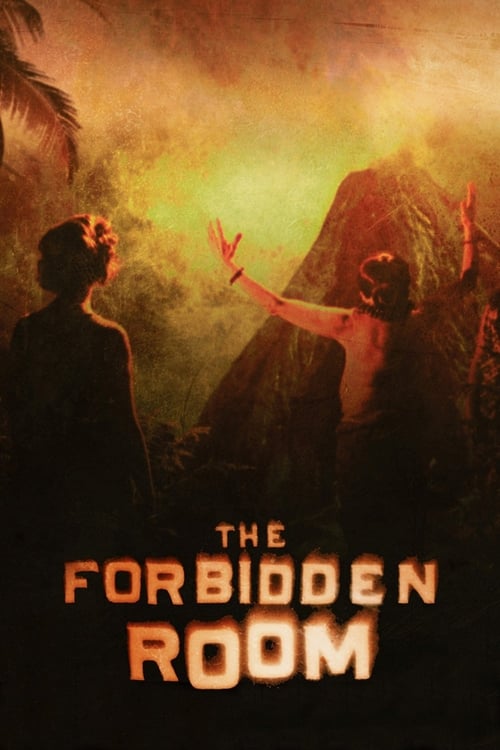
The Forbidden Room
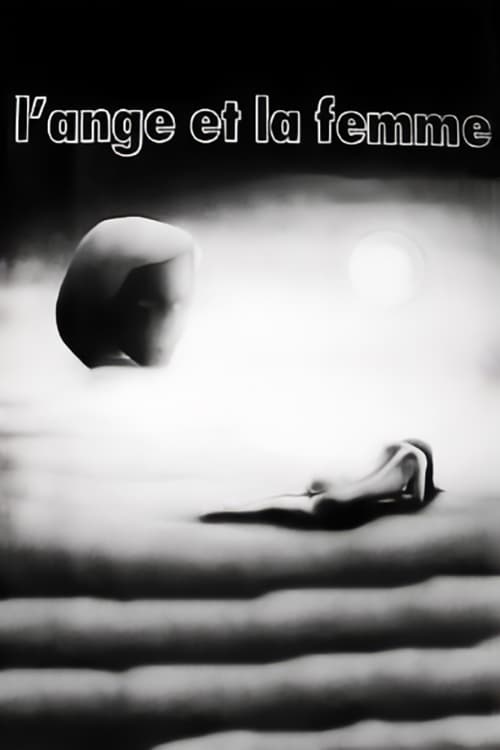
The Angel and the Woman
Champs-Elysées

Fantastica

Night Magic
Les Rendez-vous du dimanche
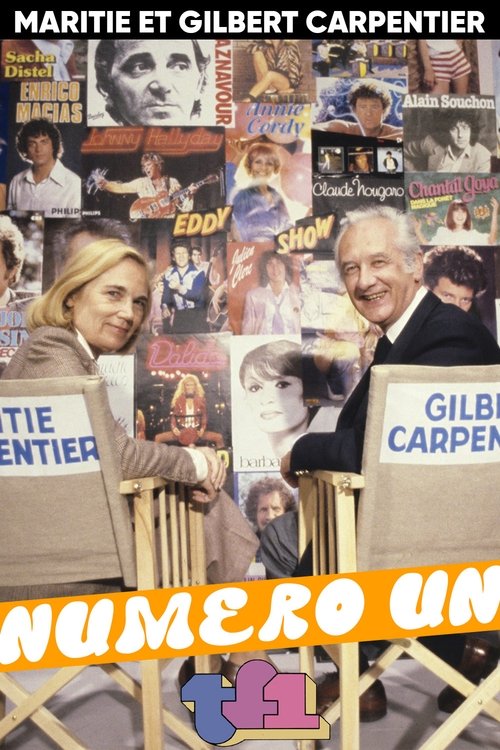
Numéro un
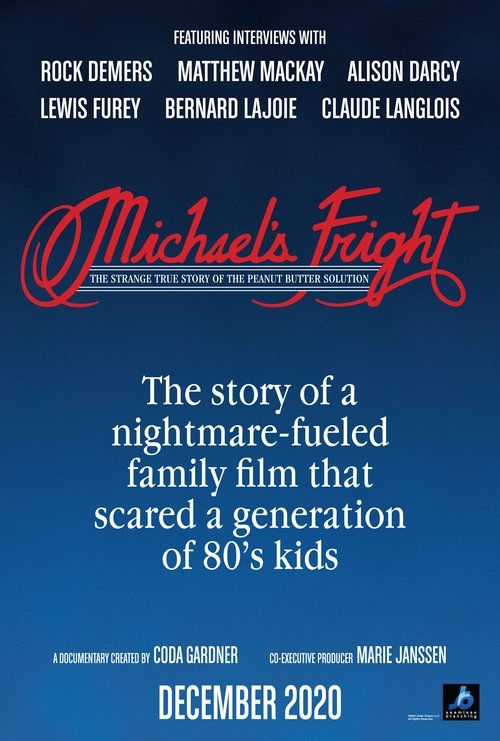
Michael's Fright: The Strange True Story of the Peanut Butter Solution
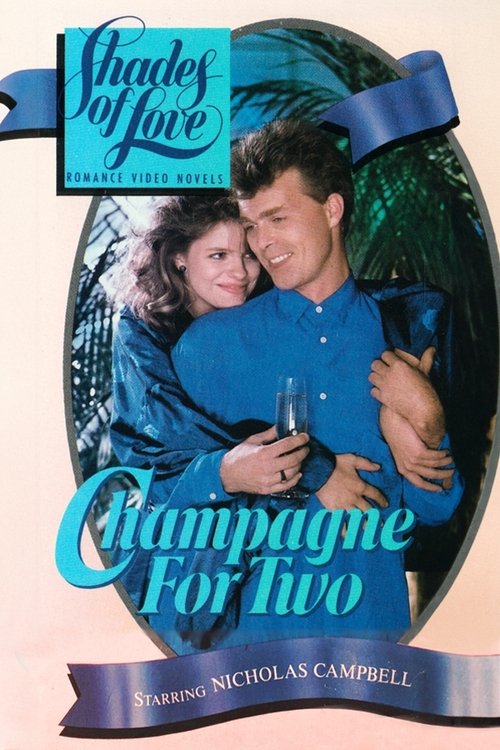
Shades of Love: Champagne for Two

The Peanut Butter Solution
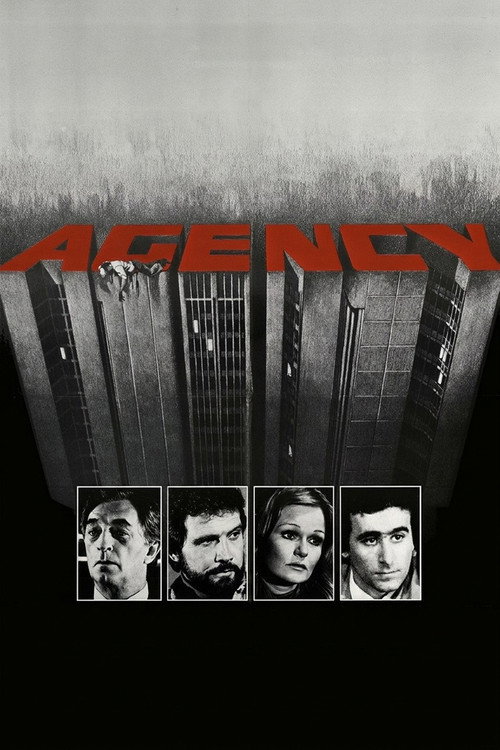
Agency
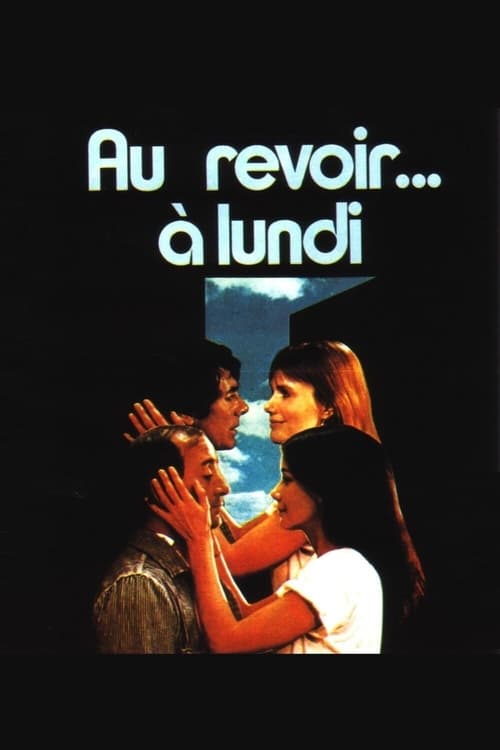
Bye, See You Monday

Rats And Rabbits
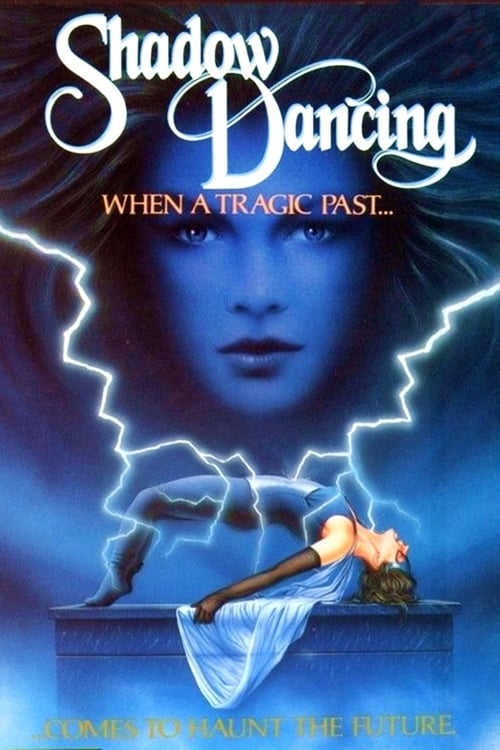
Shadow Dancing
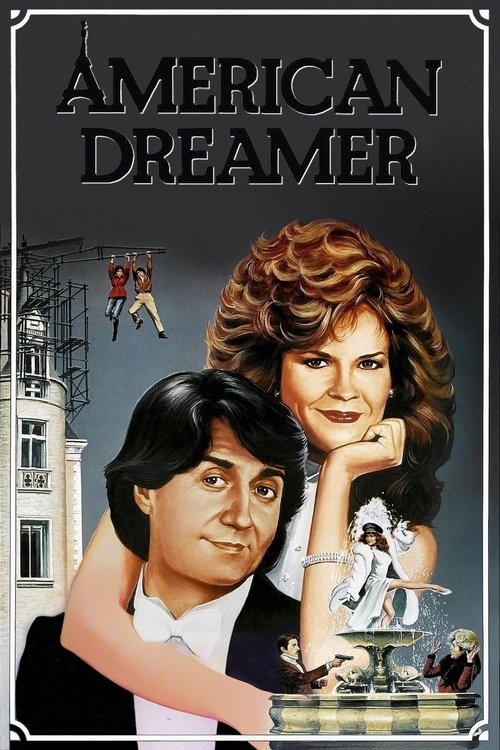
American Dreamer
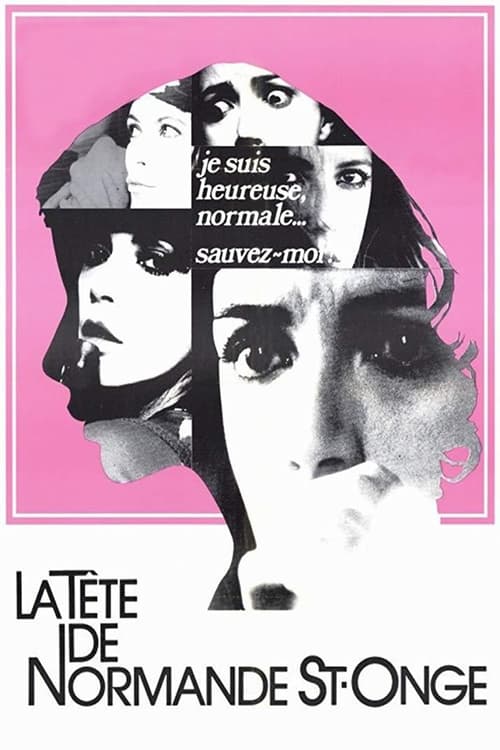
La Tête de Normande St-Onge
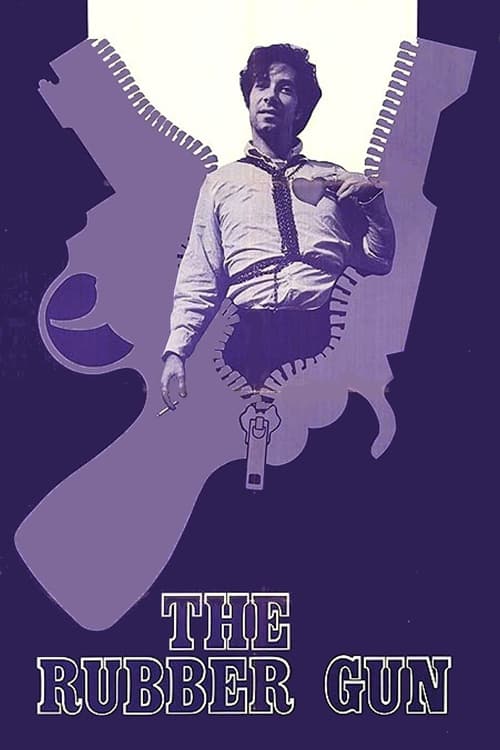
The Rubber Gun
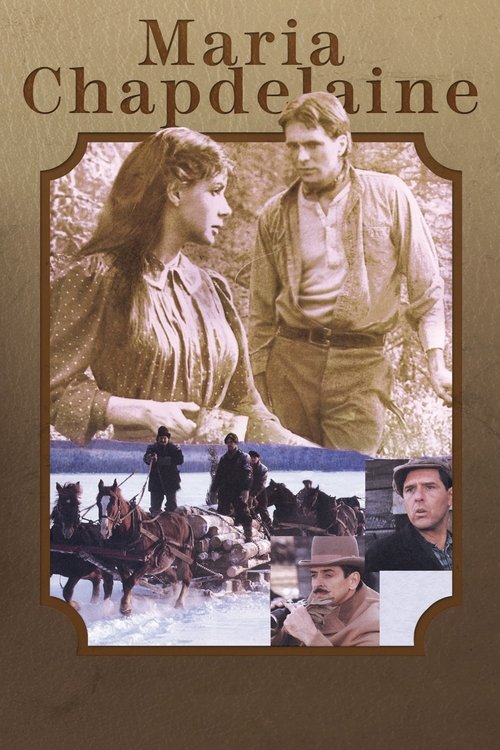
Maria Chapdelaine