Person
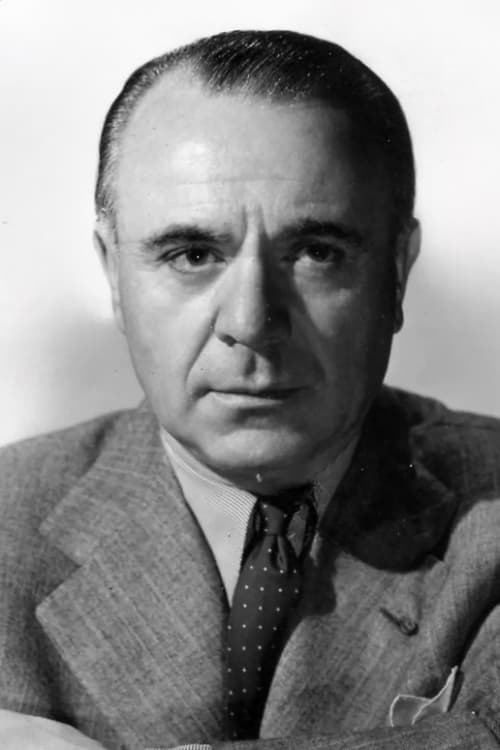
José Iturbi
Acting
- Known for
- Acting
- Born
- Nov 28, 1895
- Died
- Jun 28, 1980
- From
- Valencia, Valencian Community, Spain
Temperamental, volatile Spanish-born pianist and conductor whose life and career were varied and often controversial. Born in Valencia, he was a child prodigy, giving piano recitals by the age of seven and supplementing the family income by playing for up to 14 hours daily at a silent cinema theatre. He was an honours graduate from the Conservatoire de Musique in Paris, and, by the age of 24, occupied Franz Liszt's former post as leader of the piano department of the Geneva Conservatory. In 1928, he made his London debut as a concert pianist and the following year played Beethoven's G Major Concerto to great critical and audience acclaim under Leopold Stokowski's direction in Philadelphia. Not content with his triumphs, he branched out into conducting from 1933, eventually fronting the Rochester Philharmonic and conducting his first opera in 1959. Iturbi enjoyed an almost pop star-like status (even converting 1950's bobby-soxers to classical music) and became the only classical artist of his day to win two gold records. In 1946, RCA-Victor paid Iturbi the record sum of $118,029 for six months royalties, primarily for his recording of Chopin's Polonaise in A-Flat (the record went on to sell 2 million copies by 1974). A speed freak, Iturbi used to ride his motor bike and assorted sports cars with reckless abandon. When they weren't fast enough, he would get aboard his own aircraft, 'El Turia'. By 1946 he had logged 1500 flying hours, frequently travelling across entire continents between recitals. He had several close shaves which earned him the sobriquet 'the flying fool'. Iturbi's fiery temper manifested itself when he walked off the stage during a performance in Cleveland, because audience members were too audible in their consumption of hot dogs and soda pop. Earlier, while conducting the Philadelphia Orchestra, he had thrown a chair across the stage in disgust at the disturbance caused by the late arrival of the mayor and his entourage. This earned him yet another nickname, 'Turbulent Iturbi'. There were many other such incidents. He refused to appear with Benny Goodman on the same radio show, ostensibly because he disagreed with the idea of mixing jazz and classical music. Later, he also brashly refused to perform with Rosemary Clooney on television. Ironically, Iturbi's screen career was spent playing not only classical but also popular music, from boogie-woogie to honky tonk. After being persuaded by producer Boris Pasternak to appear in musicals for MGM, Iturbi's adaptation to the new medium was effortless. Of course, in all of his screen roles he simply played himself. Films like Anchors Aweigh (1945) (in which he conducted a 100-piece band for the opening march) and Three Daring Daughters (1948), did, however, allow him a fair measure of self-expression. His sister Amparo Iturbi (1899-1969), who in earlier years had frequently accompanied him in duo piano recitals, appeared in three of his pictures, including That Midnight Kiss (1949). Iturbi was born November 28, 1895 in Valencia, Valencia, Spain, and he died June 28, 1980 (age 84) in Los Angeles, California, USA
Images
Credits
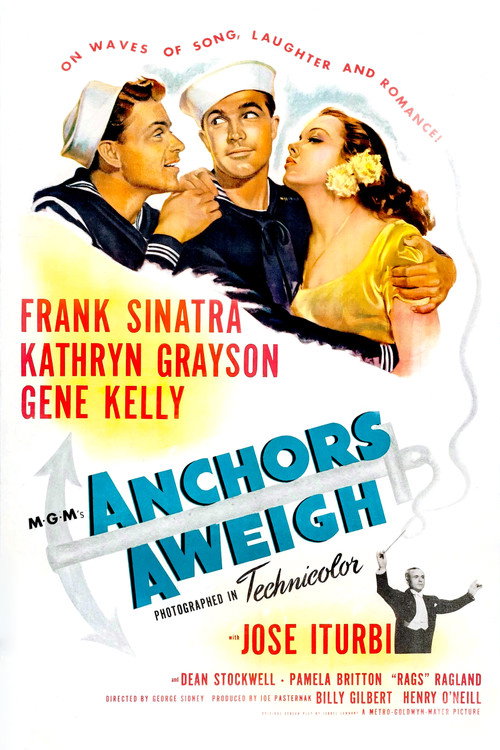
Anchors Aweigh
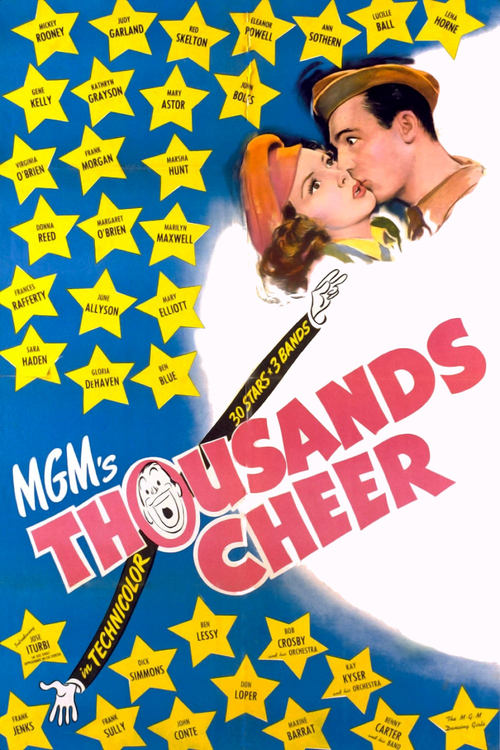
Thousands Cheer
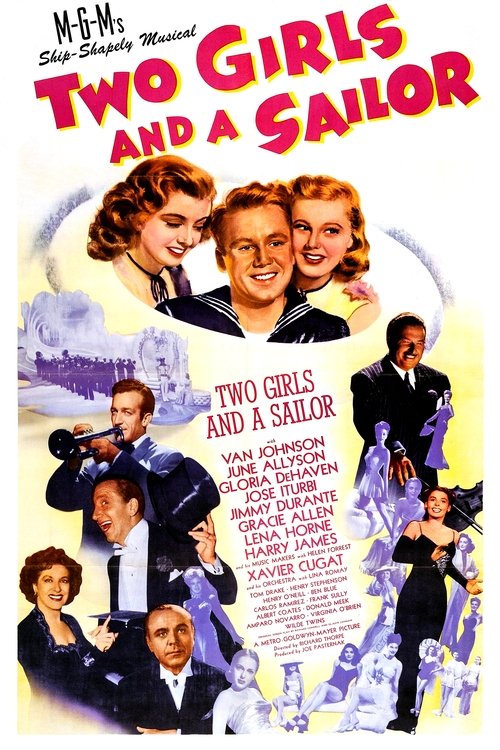
Two Girls and a Sailor

Three Daring Daughters
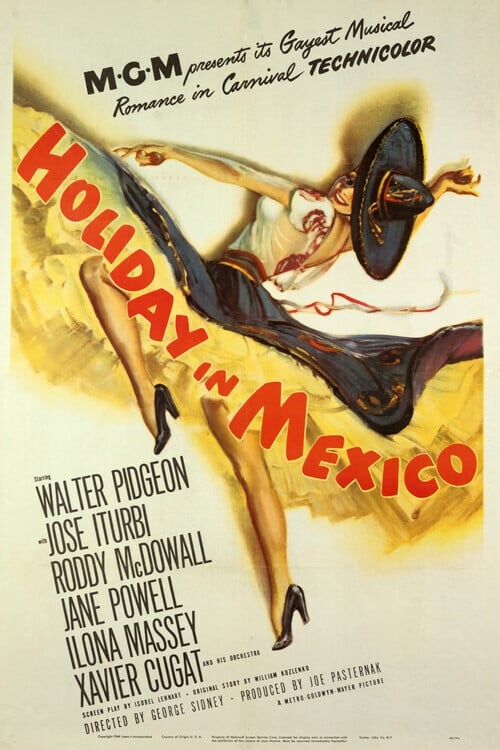
Holiday in Mexico
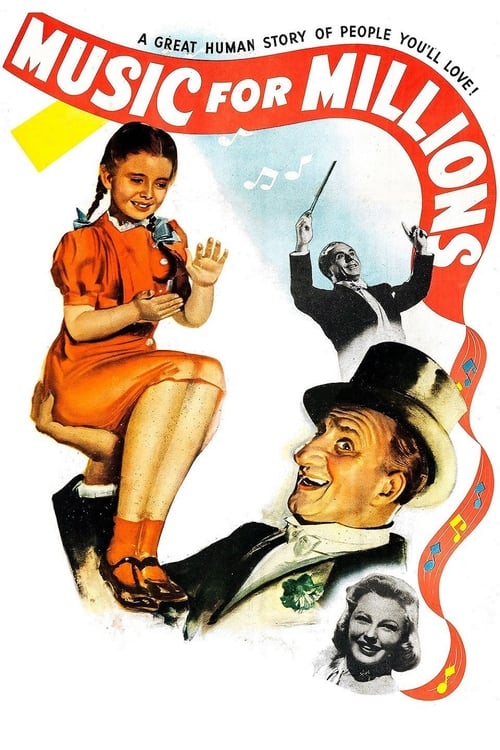
Music for Millions
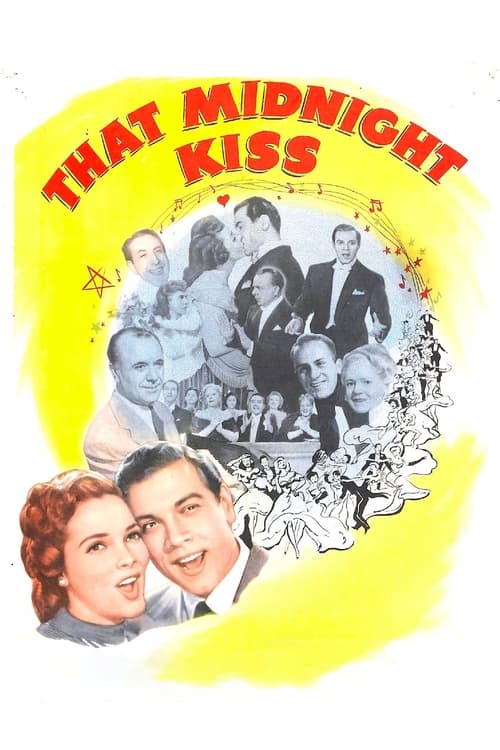
That Midnight Kiss
The Bell Telephone Hour
Twenty Years After
Song of My Heart
Diego Silang
The Jimmy Durante Show