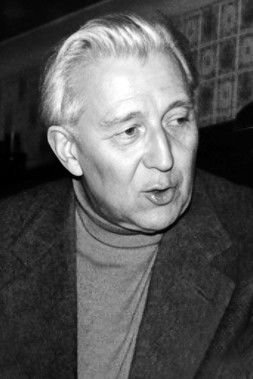
Person
Georges Régnier
Directing
- Known for
- Directing
- Born
- Apr 17, 1913
- Died
- Jan 17, 1992
- From
- Paris, Ile-de-France, France
Georges Régnier, born April 17, 1913, in the 14th arrondissement of Paris, where he died on January 17, 1992, was a French film director, screenwriter, and cinematographer. A discreet yet committed figure, he belonged to that generation of post-war filmmakers for whom cinema was both an art form and a tool for social intervention. Originally from the Paris region, Georges Régnier trained in the visual arts before specializing in directing and screenwriting. This dual expertise as a screenwriter and cinematographer profoundly influenced his style, characterized by meticulous attention to framing and lighting, often serving subjects rooted in the social realities of his time. His career truly took off in the late 1940s with an emblematic short film, *Les Paysans Noirs* (1948), which denounced the abuses and injustices suffered by colonized populations in Ivory Coast. This film, often cited as his initial breakthrough, revealed a filmmaker sensitive to political and social issues, ready to use the documentary or semi-documentary form to offer a critical perspective on the world. At the same time, Georges Régnier directed other short fiction films, such as *Monsieur Badin* (1947), which demonstrate his ability to move seamlessly between genres, from a polemical tone to a more narrative and literary style. He nevertheless remains associated with politically engaged cinema, strongly influenced by the post-war period and the debates surrounding colonization, justice, and human dignity. While he may not have the renown of the great names in French cinema, his filmography and autobiography bear witness to the journey of a filmmaker conscious of his time, who sought to reconcile formal rigor with intellectual responsibility. The Nightingale of Kabylia (1962) is a perfect example. Among Georges Régnier's most significant films, made as a continuation of his interest in colonial and post-colonial realities in North Africa, the film portrays Kabylia through a story that blends documentary observation with a humanist perspective, focusing on the daily life, culture, and dignity of its inhabitants rather than simply offering an exotic narrative. Régnier conceived this project to give voice and cinematic visibility to a region often caricatured, and to implicitly examine the complex relationship between France and Algeria. With The Nightingale of Kabylia, he continued his project of socially engaged cinema, seeking to transcend colonial clichés and provoke reflection on injustice, memory, and the recognition of peoples. The recognition of his work led him to reflect on his own career and his conception of the filmmaker's craft, a reflection he condensed into an autobiographical book published in 1993 after his death in 1992, A Head Full of Images. In this work, he revisits his experience as a film professional, the development of his vision, and how images—filmed, dreamed, or remembered—structure a life devoted to the screen. Georges Régnier died in Paris on January 17, 1992, at the age of 78.
Images
Credits
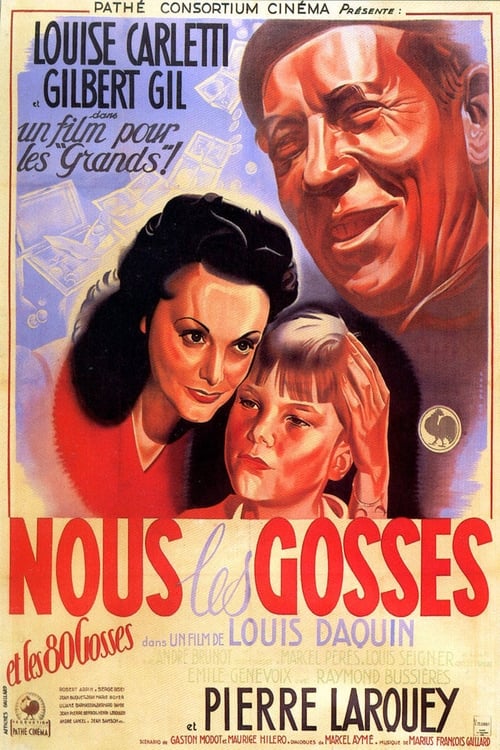
Portrait of Innocence
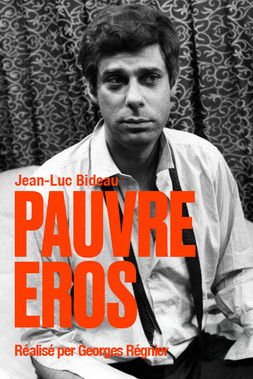
Pauvre Eros
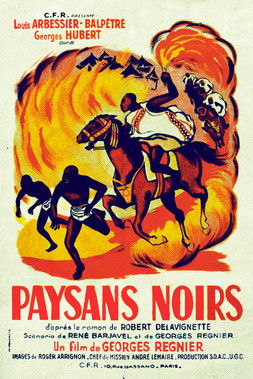
Paysans Noirs
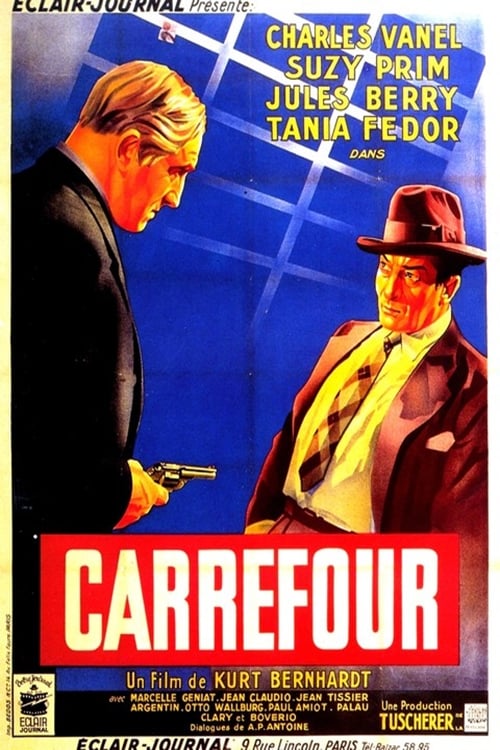
Crossroads
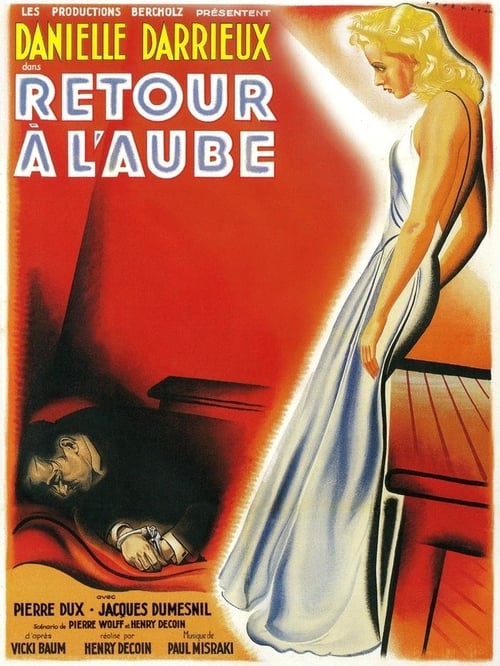
Return at Dawn
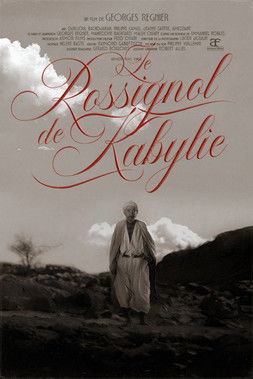
The Nightingale of Kabylia
Le Voyage d'Abdallah
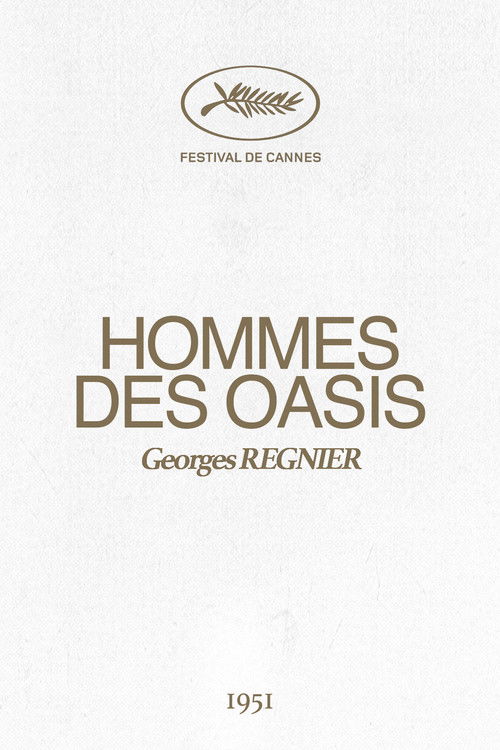
Hommes Des Oasis
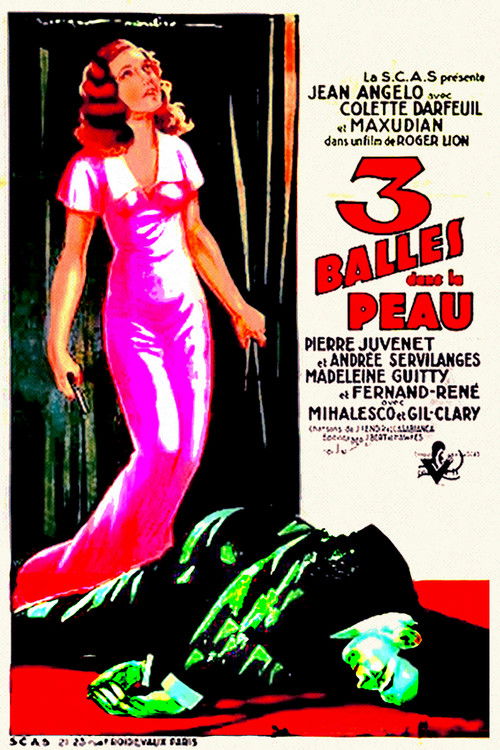
Trois Balles Dans La Peau
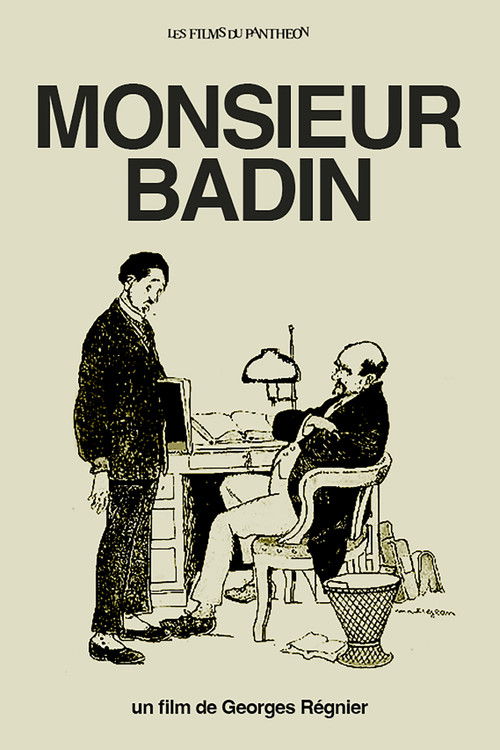
Monsieur Badin
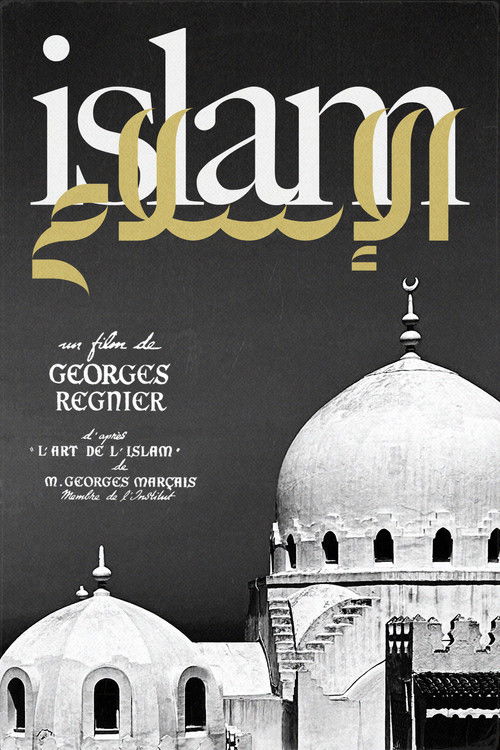
Islam
Les Sept de l'escalier 15
Nanou