Person
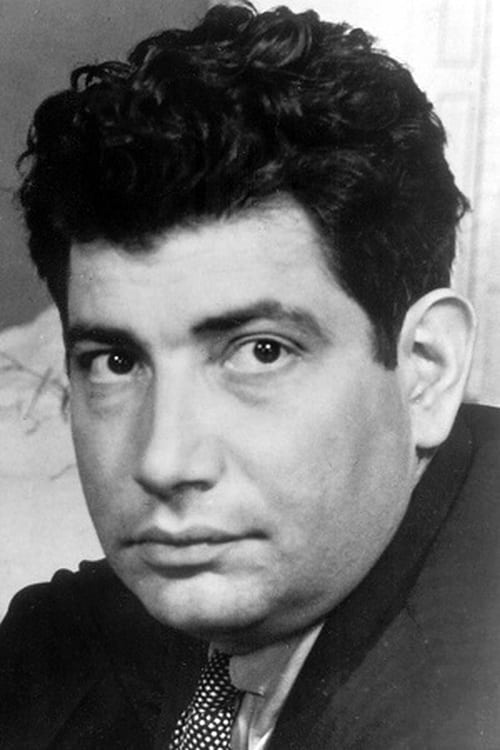
Edgar G. Ulmer
Directing
- Known for
- Directing
- Born
- Sep 17, 1904
- Died
- Sep 30, 1972
- From
- Olmütz, Moravia, Austria-Hungary [now Olomouc, Czech Republic]
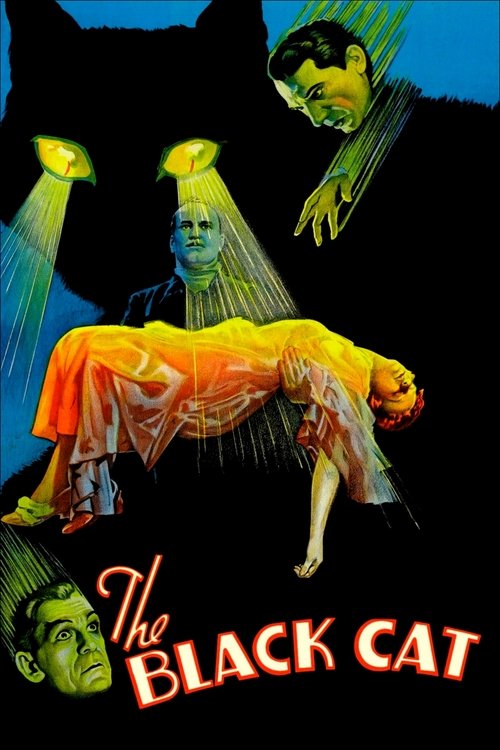
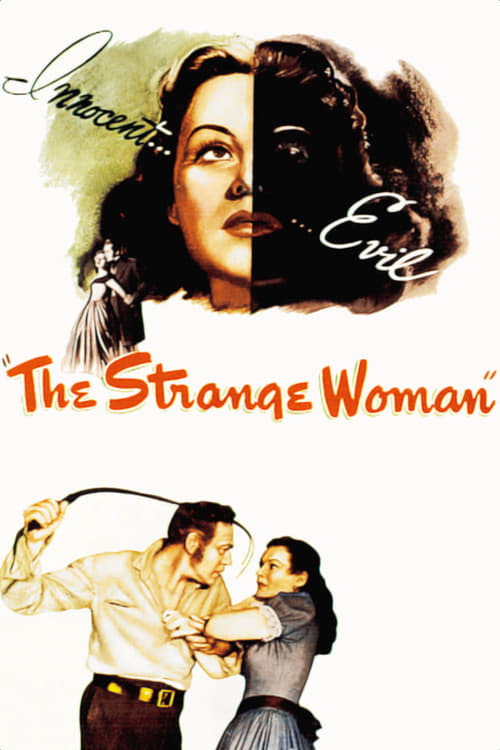
From Wikipedia, the free encyclopedia. Edgar Georg Ulmer (September 17, 1904 – September 30, 1972) was an Austrian-American film director. He is best remembered for the movies The Black Cat (1934) and Detour (1945). These stylish and eccentric works have achieved cult status, whereas Ulmer's other films remain relatively unknown. The first feature he directed in North America, Damaged Lives (1933), was a low-budget exploitation film exposing the horrors of venereal disease. His next film, The Black Cat (1934), starring Béla Lugosi and Boris Karloff, was made for a major studio, Universal Pictures. Demonstrating the striking visual style that would be Ulmer's hallmark, the film was Universal's biggest hit of the season. Ulmer, however, had begun an affair with Shirley Beatrice Kassler, who had been married since 1933 to independent producer Max Alexander, nephew of Universal studio head Carl Laemmle. Kassler's divorce in 1936 and her marriage to Ulmer later the same year led to his being exiled from the major Hollywood studios. Ulmer was relegated to making B movies at Poverty Row production houses. His wife, now Shirley Ulmer, acted as script supervisor on nearly all of these films, and she wrote the screenplays for several. Their daughter, Arianne, appeared as an extra in several of his films. Consigned to the fringes of the U.S. motion picture industry, Ulmer specialized first in "ethnic films," notably in Ukrainian—Natalka Poltavka (1937), Cossacks in Exile (1939)—and Yiddish—The Light Ahead (1939), Americaner Shadchen (1940). The best-known of these ethnic films is the Yiddish Green Fields (1937), co-directed with Jacob Ben-Ami. Ulmer eventually found a niche making melodramas on tiny budgets and with often unpromising scripts and actors for Producers Releasing Corporation (PRC), with Ulmer describing himself as "the Frank Capra of PRC". His PRC thriller Detour (1945) has won considerable acclaim as a prime example of low-budget film noir, and it was selected by the Library of Congress among the first group of 100 American films worthy of special preservation efforts. In 1947, Ulmer made Carnegie Hall with the help of conductor Fritz Reiner, godfather of the Ulmers' daughter, Arianné. The film features performances by many leading figures in classical music, including Reiner, Jascha Heifetz, Artur Rubinstein, Gregor Piatigorsky and Lily Pons. Ulmer did get a chance to direct two films with substantial budgets, The Strange Woman (1946) and Ruthless (1948). The former, featuring a strong performance by Hedy Lamarr, is regarded by critics as one of Ulmer's best. In 1951 he directed a low-budget science-fiction film with a noirish tone, The Man from Planet X. In 1964 he directed his last film, The Cavern, in Italy. Description above from the Wikipedia article Edgar G. Ulmer, licensed under CC-BY-SA, full list of contributors on Wikipedia.
Images
Credits

Metropolis

People on Sunday

The Golem: How He Came into the World

Journey Beneath the Desert

Detour

Let My People Live

The Amazing Transparent Man
The Black Cat
Tomorrow We Live
The Strange Woman
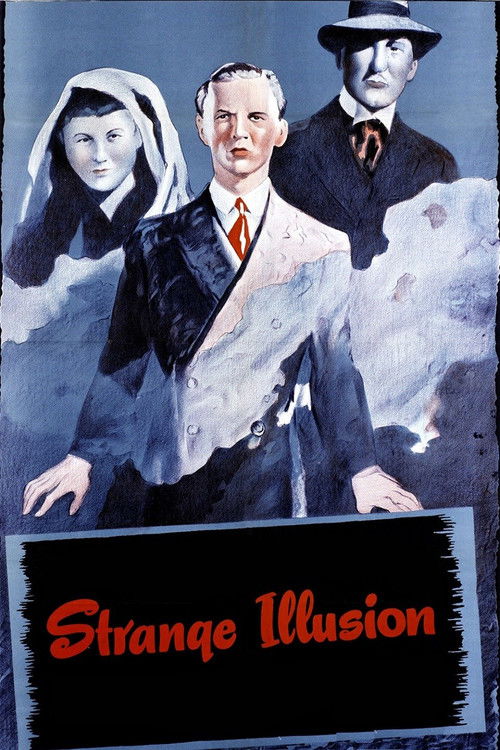
Strange Illusion
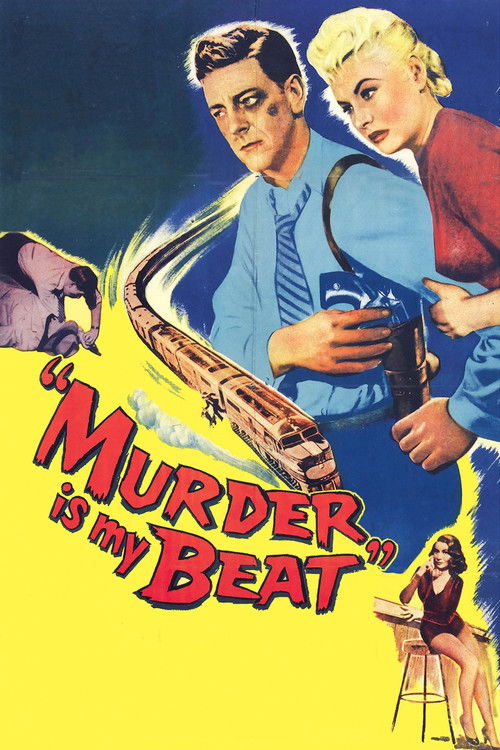
Murder Is My Beat

Bluebeard

Beyond the Time Barrier
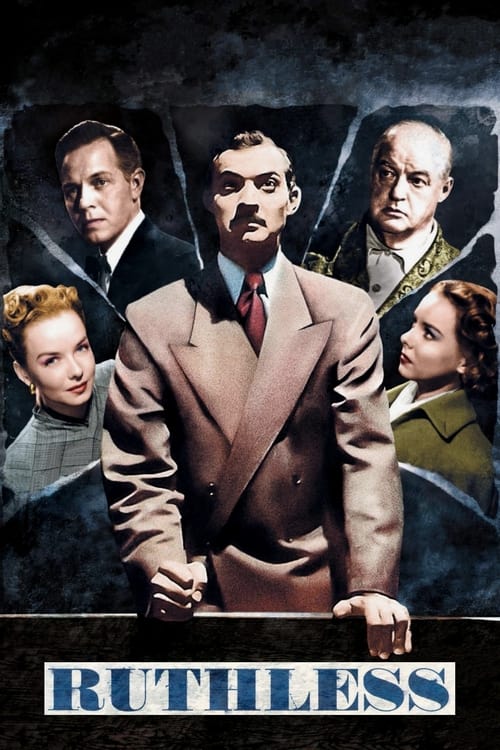
Ruthless

The Man from Planet X

Club Havana
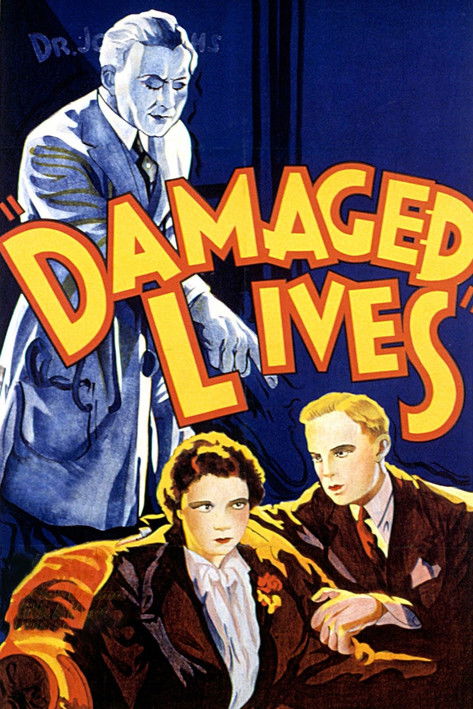
Damaged Lives