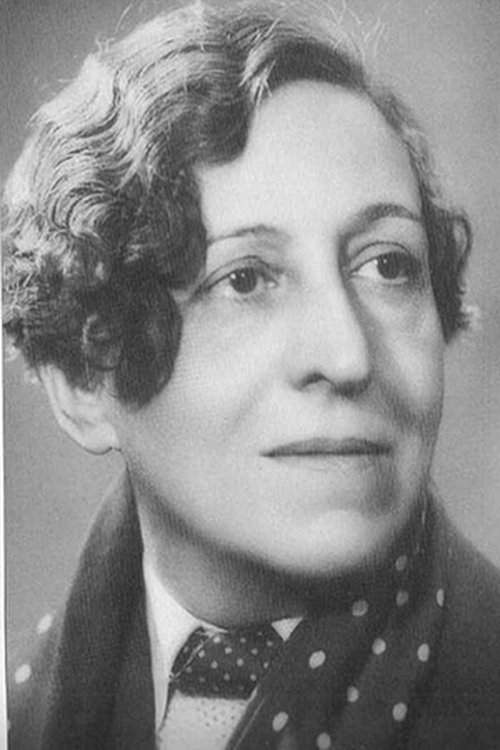
Person
Germaine Dulac
Directing
- Known for
- Directing
- Born
- Nov 17, 1882
- Died
- Jul 20, 1942
- From
- Amiens, Somme, France
Germaine Dulac; born Charlotte Elisabeth Germaine Saisset-Schneider; was a French filmmaker, film theorist, journalist and critic. She was born in Amiens and moved to Paris in early childhood. A few years after her marriage she embarked on a journalistic career in a feminist magazine, and later became interested in film. Germaine Dulac was born into an upper-middle-class family of a career military officer. Since her father's job required the family to frequently move between small garrison towns, Germaine was sent to live with her grandmother in Paris. She soon became interested in art and studied music, painting, and theater. Following the death of her parents, Dulac moved to Paris and combined her growing interests in socialism and feminism with a career in journalism. In 1905 she married Louis-Albert Dulac, an agricultural engineer who also came from an upper-class family. Four years later she began writing for La Française, a feminist magazine edited by Jane Misme where she eventually became the drama critic. Dulac also found time to work on the editorial staff of La Fronde, a radical feminist journal of the time. She also began to pursue her interest in still photography, which preceded her initial entry into filmmaking. With the help of her husband and friend she founded a film company and directed a few commercial works before slowly moving into Impressionist and Surrealist territory. She is best known today for her Impressionist film, La Souriante Madame Beudet ("The Smiling Madam Beudet", 1922/23), and her Surrealist experiment, La Coquille et le Clergyman ("The Seashell and the Clergyman", 1928). Her career as filmmaker suffered after the introduction of sound film and she spent the last decade of her life working on newsreels for Pathé and Gaumont. Dulac and her husband divorced in 1920. Following her long and influential cinema career, Dulac became the president of the Fédération des ciné-clubs, a group which promoted and presented the work of new young filmmakers, such as Joris Ivens and Jean Vigo. Dulac also taught film courses at the École Technique de Photographie et de Cinématographie on the rue de Vaugirard. Following her death in 1942, Charles Ford called attention to the difficulty the French Press had with printing her obituary: "Bothered by Dulac’s non-conformist ideas, disturbed by her impure origins, the censors had refused the article which, only after vigorous protest by the editor-in-chief of the magazine, appeared three weeks late. Even dead, Germaine Dulac still seemed dangerous..."
Images
Credits
Encyclopédie audiovisuelle du cinéma
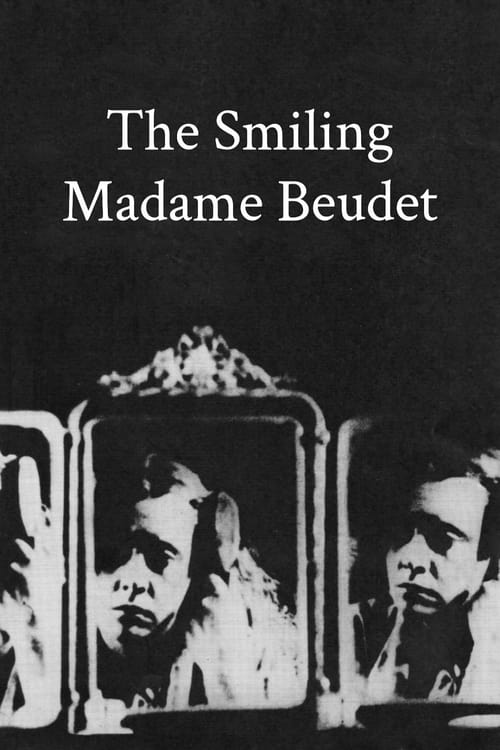
The Smiling Madame Beudet
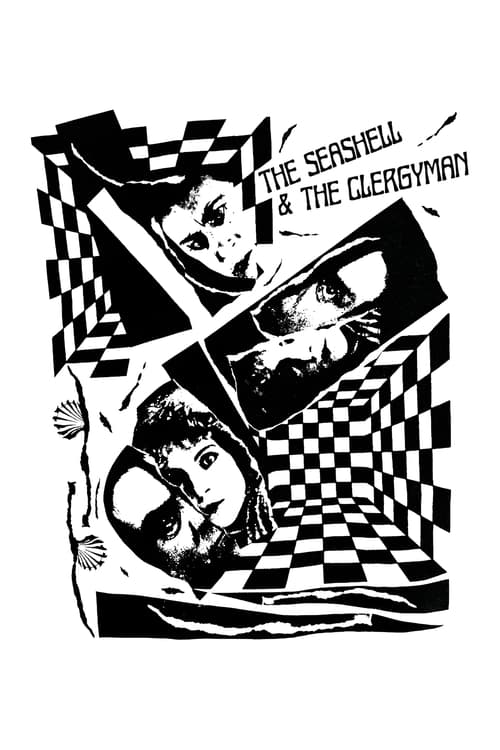
The Seashell and the Clergyman

Danses espagnoles
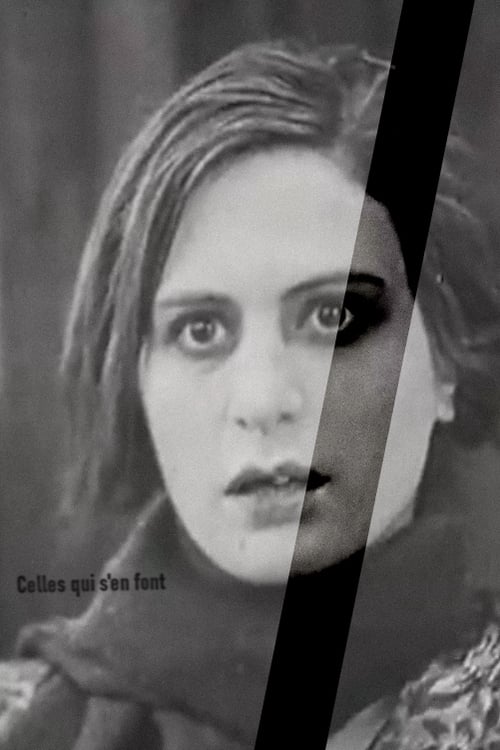
Those Who Worry
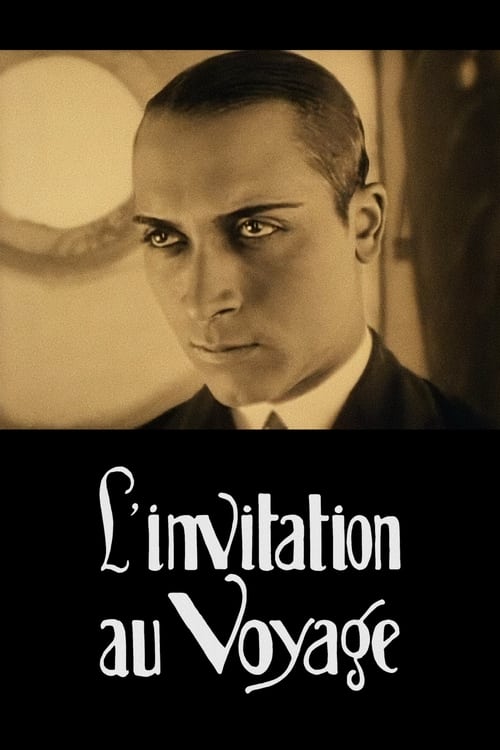
Invitation to a Journey
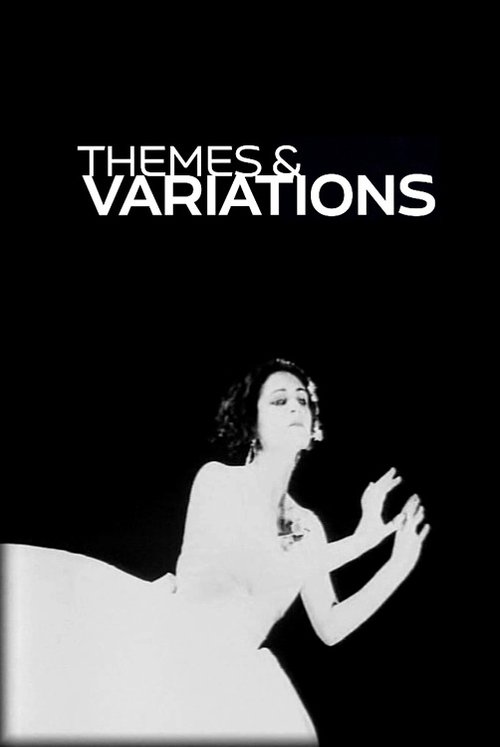
Themes and Variations
Record 957
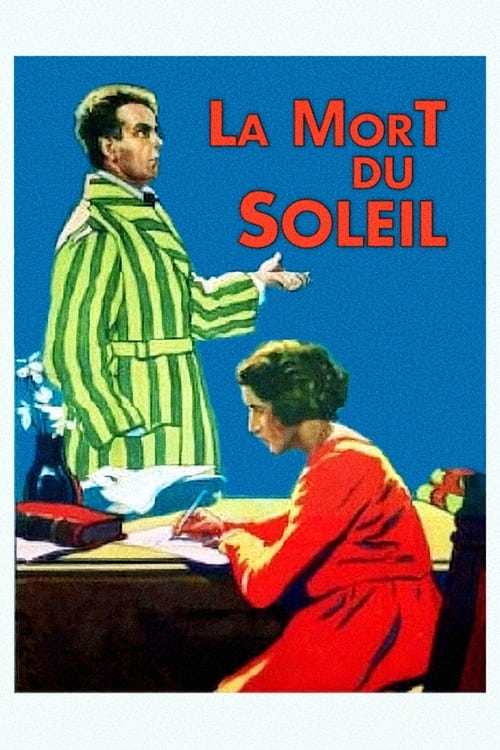
The Death of the Sun

The Cigarette

The Devil in the City
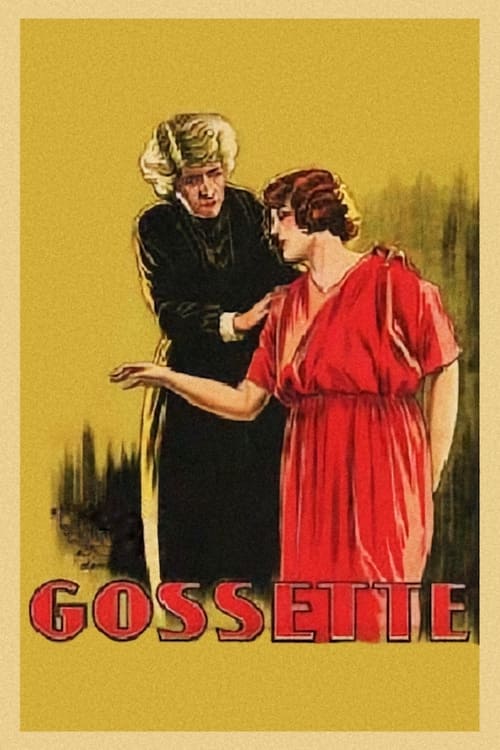
Gossette
Arabesque
Le retour à la vie
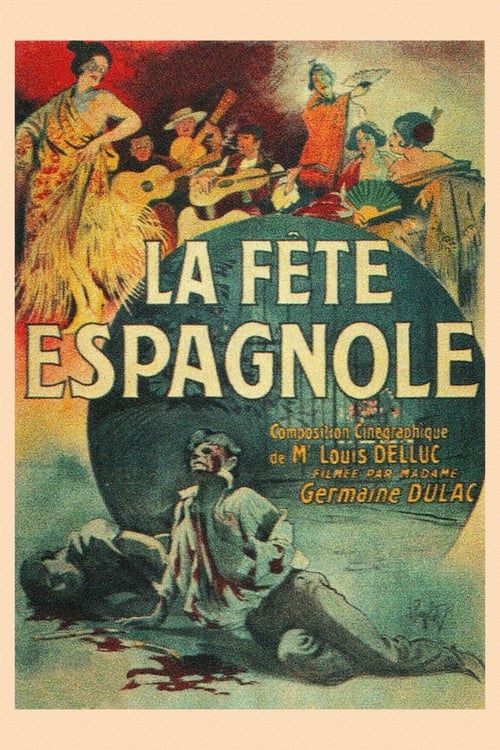
Spanish Fiesta
Heart of an Actress
Princesse Mandane
The Picador