In Happy-Go-Luckies a pair of ukulele-strumming railroad hoboes fake their way into a dog show and make off with the prize loot. “Two heads are better than one” is the moral. To modern eyes, our trickster duo may look like two dogs—in the show they pretend to be one long dog—but audiences of the ’20s would have recognized a dog-and-cat team. The black body, white face, and sharp ears would have been most familiar from the greatest jazz-era trickster cat, Felix. Dogs and cats—much easier to animate than humans—were everywhere in silent cartoons. Terry, like most early film animators, had begun as a newspaper cartoonist, and his first strip, working with his brother as a teenager for the San Francisco Call, was about the adventures of a dog named Alonzo.
Your score–
Not scoredRelated
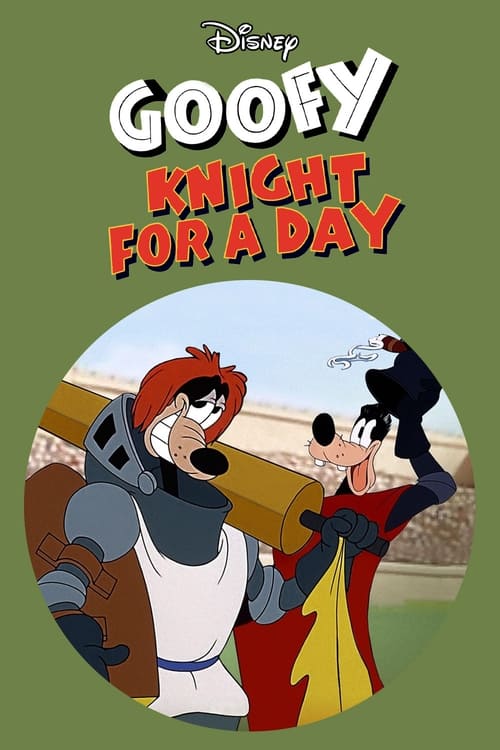
A Knight for a Day

The Big Bad Wolf
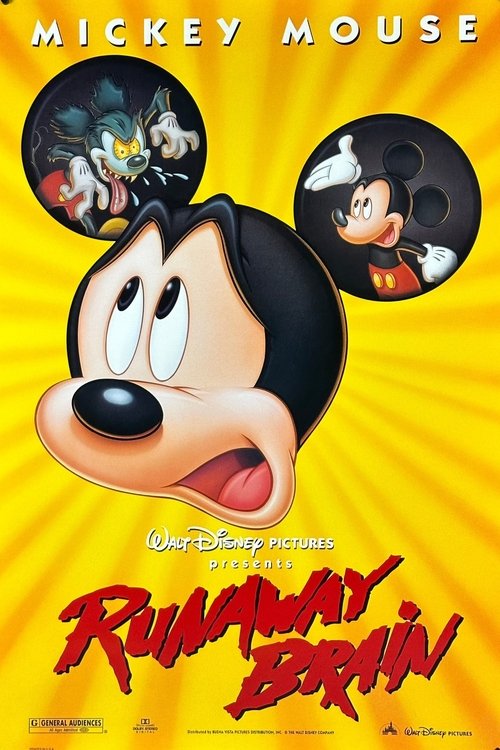
Runaway Brain
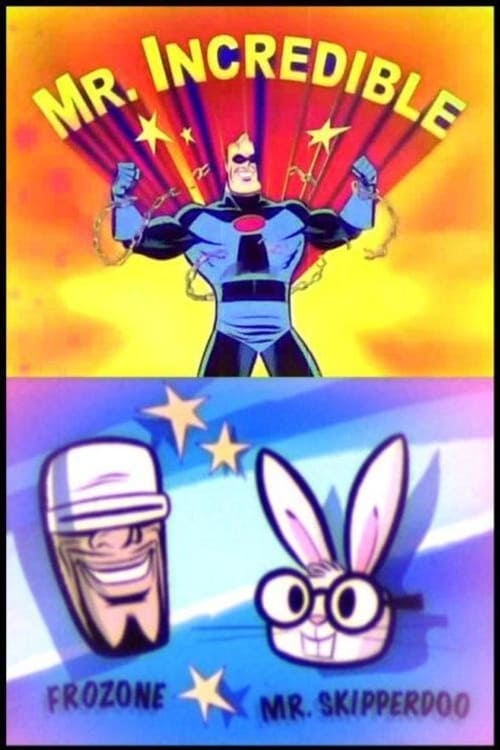
Mr. Incredible and Pals
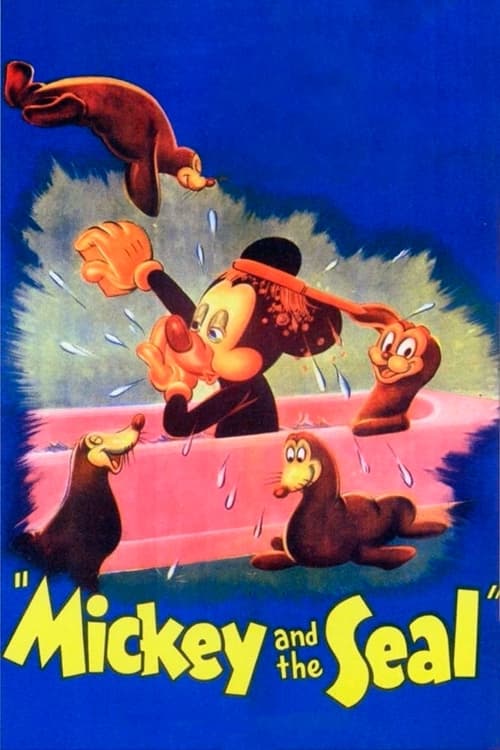
Mickey and the Seal
What's New Scooby-Doo? Vol. 4: Merry Scary Holiday

Winnie the Pooh: A Valentine for You
Far from the Tree
Pluto's Sweater
Casanova Cat

Bugs Bunny's Looney Christmas Tales
Mickey's Steam Roller

PAW Patrol: Jet to the Rescue
Thru the Mirror
Hammy's Boomerang Adventure
Mickey's Delayed Date