
Working with children led Barskaya to create superb direct sound and an inspired style of shooting. Don’t look for conventional cinematic syntax here. The film is chaotic in the way that Soviet films still knew how to be, and Langlois couldn’t help but be seduced by its rebellious spirit, its anarchy and love of children, comparable to Vigo’s Zero de conduite. As well as being a film made with and for children, it offers a complex take on Western society. Pre-Nazi Germany is not named as such but is carefully reconstructed, possibly under advice from Karl Radek, and children offer a playful reflection of class struggle – doubly excluded, as proletarians and as minors. “They play in the same way that they live”, one intertitle says. The interaction between their comical games and the yet more ludicrous ones played by adults is developed on several levels.
Directed by Margarita Barskaya
Your score–
Not scoredImages
Cast
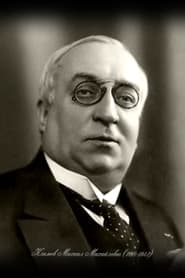
Mikhail Klimov
Pastor
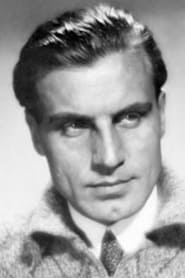
Ivan Novoseltsev
Valter's father
Varvara Alyokhina
School teacher
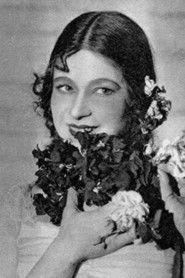
Klavdiya Polovikova
Blind woman
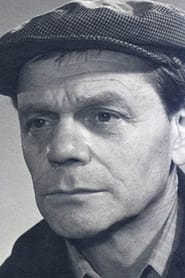
Vladimir Uralskiy
Police agent
Lev Losev
Nikolay Losev
Anna Chekulaeva
Valter's mother
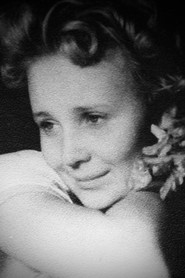
Natalia Sadovskaya
Olga Bazanova
(uncredited)
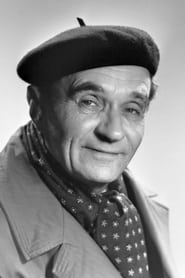
Georgi Millyar
Passerby (uncredited)
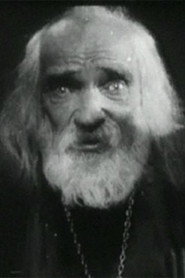
Vladimir Mikhaylov
Passerby (uncredited)
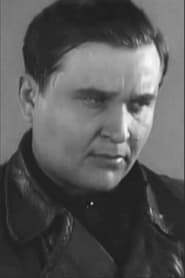
Aleksandr Timontayev
Policeman (uncredited)
Evgeniy Tokmakov
(uncredited)
Related

The Safety of Objects

Iron Jawed Angels
Born in Flames
Xiu Xiu: The Sent-Down Girl

A Dry White Season
Salt of the Earth
Lucky Them

The Trials of Cate McCall
Bastard Out of Carolina
The Poker House
I Shot Andy Warhol

I Believe in Unicorns

Tuesday
Riot in Cell Block 11
Guilty by Suspicion
An American Girl: Chrissa Stands Strong